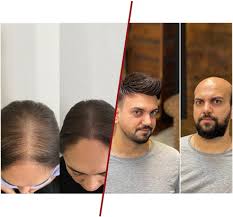
When it comes to hair attachment methods, two popular non-surgical hair solutions stand out: hair taping and hair bonding. Both provide natural-looking results, but they work differently. Let's explore the differences to help you choose the best hair fixing method for your lifestyle.
What is Hair Bonding?
Hair bonding is the process of attaching a customized hair system to your scalp using medical-grade adhesive. The bonding agent creates a semi-permanent seal that can last 4-6 weeks, making it ideal for people seeking durability and stability.
Hair Bonding Features
- Lasts 4-6 weeks per application
- Extremely secure and stable
- Waterproof - safe for swimming and water sports
- Natural-looking hairline
- Requires professional removal
- Better for active individuals
What is Hair Taping?
Hair taping is a non-surgical attachment method where Double-Sided Polyurethane (DSP) tape is used to secure your hair system to the scalp. It's a lightweight, temporary solution that can be applied and removed daily, offering maximum flexibility.
Hair Taping Features
- Lasts 1-2 weeks per application
- Easy to apply and remove at home
- Non-permanent and reversible
- Lightweight and comfortable
- Quick application process
- Ideal for beginners or part-time wear
Hair Taping vs Hair Bonding: Key Differences
1. Duration & Longevity
Hair Bonding: Lasts 4-6 weeks, requiring re-servicing monthly.
Hair Taping: Lasts 1-2 weeks, requiring more frequent reapplication.
2. Application Process
Hair Bonding: Requires professional application at a salon. The process involves careful scalp preparation and adhesive application.
Hair Taping: Can be self-applied at home after initial training. Simple and quick process.
3. Comfort Level
Hair Bonding: Takes time to adjust; slightly heavier feel initially.
Hair Taping: Immediately comfortable; lightweight and less noticeable.
4. Cost Effectiveness
Hair Bonding: Higher monthly maintenance costs (rs 3,000-5,000 per month).
Hair Taping: Lower cost with tape replacements (rs 1,500-2,500 per application).
5. Removal Process
Hair Bonding: Must be professionally removed using solvent to avoid hair damage.
Hair Taping: Simple at-home removal without any chemicals or damage.
6. Waterproof Protection
Hair Bonding: Completely waterproof; safe for swimming and hot showers.
Hair Taping: Limited water exposure; avoid prolonged wet conditions.
Hair Bonding Advantages
- Long-lasting security (4-6 weeks)
- Perfect for active lifestyle
- Water-resistant for swimming
- Professional, permanent-feeling attachment
- Excellent for special occasions
- Requires fewer reapplications
Hair Bonding Disadvantages
- Higher monthly costs
- Requires professional application
- Potential scalp sensitivity to adhesives
- Professional removal necessary
- Takes time to get used to
- Can be uncomfortable in hot weather
Hair Taping Advantages
- Cost-effective solution
- Easy self-application
- Lightweight and comfortable
- No chemical irritation risk
- Quick to apply and remove
- Perfect for trying hair systems first
- Ideal for part-time users
Hair Taping Disadvantages
- Shorter duration (1-2 weeks)
- Requires frequent reapplication
- Limited water exposure
- Not suitable for very active people
- Less secure in hot climates
- Requires maintenance training
Maintenance Comparison
Hair Bonding Maintenance
- Monthly salon visits required
- Gentle shampooing with sulfate-free shampoo
- Avoid hot water and harsh chemicals
- Professional servicing cost
- Re-bonding after 4-6 weeks
Hair Taping Maintenance
- Quick home care routine
- Regular tape replacement (1-2 weeks)
- Easy removal and cleaning
- Minimal professional intervention needed
- Simple washing procedures
Which Method Should You Choose?
Choose Hair Bonding If:
- You want maximum durability and security
- You have an active lifestyle
- You swim or do water sports regularly
- You prefer fewer salon visits
- Long-term results are your priority
Choose Hair Taping If:
- Budget is a primary concern
- You want flexibility and ease
- You're new to hair systems
- You prefer part-time wear
- You want quick removal options
- You have sensitive scalp
Cost Analysis
| Factor | Hair Bonding | Hair Taping |
|---|---|---|
| Initial Cost | ₹3,500-5,000 | ₹1,500-2,000 |
| Monthly Maintenance | ₹3,000-5,000 | ₹1,500-2,500 |
| Duration | 4-6 weeks | 1-2 weeks |
| Professional Visits | Monthly (Required) | Optional |
Hair System Quality Matters
Regardless of whether you choose hair taping or hair bonding, the quality of your hair system is crucial. Premium hair systems made from 100% human hair work better with both attachment methods and provide more natural-looking results.
FAQs
Is hair bonding or taping safer?
Both are safe when done correctly. Hair bonding uses medical-grade adhesives, while taping uses hypoallergenic DSP tape. Choose based on your scalp sensitivity.
Can I switch between bonding and taping?
Yes, many people use both methods depending on their needs and occasions.
How long does it take to apply each method?
Hair bonding takes 30-45 minutes, while hair taping takes 10-15 minutes.
Which is better for beginners?
Hair taping is ideal for beginners as it's easier, reversible, and more affordable to try first.
Can I sleep with hair taping or bonding?
Yes, both methods are comfortable enough for sleeping, though bonding feels more permanent.
Conclusion
Both hair taping and hair bonding are excellent non-surgical hair solutions that deliver natural-looking results. Hair bonding is perfect for those seeking durability and security, while hair taping suits budget-conscious customers and part-time users. The best hair attachment method depends on your lifestyle, budget, and preferences. At Wig Boutique, we offer both solutions with professional guidance to help you make the right choice for your needs.