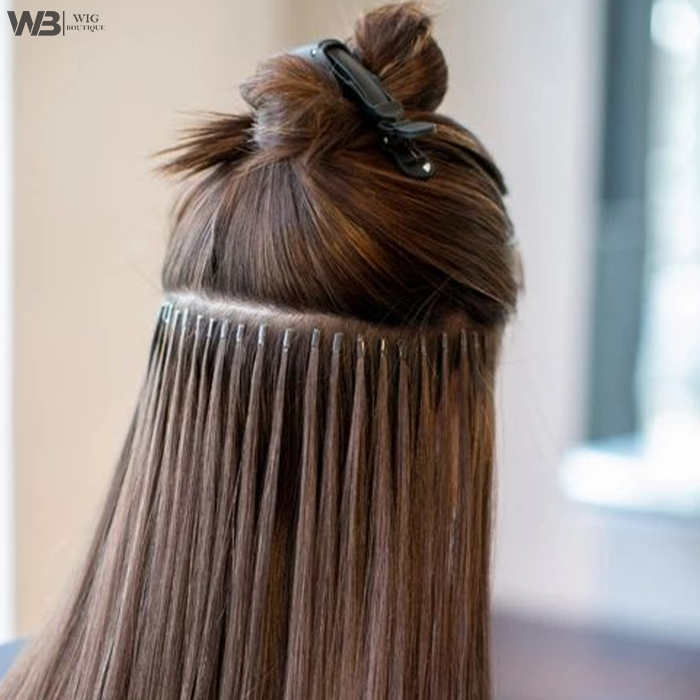
When choosing a hair attachment method, you have several options. Hair taping and hair clipping are two of the most popular methods. Each has unique advantages and suits different lifestyles. Understanding the differences will help you choose the best option for your needs.
What is Hair Taping?
Hair taping (also called tape-in extensions or hair tape) involves using medical-grade adhesive strips on the base of a hair system to attach it to your natural hair. The tape creates a semi-permanent bond that requires regular maintenance.
What is Hair Clipping?
Hair clipping uses small, pre-installed clips or snap buttons on the hair system that attach to braided sections of your natural hair. It's a removable solution that you can apply and remove yourself.
Key Differences: Hair Taping vs Hair Clipping
Application Method
Hair Taping: Professional application required; adhesive strips secure the system in place. Hair Clipping: Can be applied by yourself; clips snap onto hair braids.
Duration
Hair Taping: Lasts 4-8 weeks per application; requires regular touch-ups and reapplication. Hair Clipping: No specific duration; can be worn 24/7 or removed whenever desired.
Security Level
Hair Taping: Provides maximum security; suitable for active lifestyles, swimming, and intense exercise. Hair Clipping: Good security; suitable for daily wear but less ideal for high-impact activities.
Comfort
Hair Taping: Very lightweight; minimal sensation after initial application. Hair Clipping: Comfortable but may feel slightly heavier due to clips and braids.
Maintenance Requirements
Hair Taping: Requires professional maintenance every 4-8 weeks; tape replacements needed periodically. Hair Clipping: Minimal maintenance; can be removed and reattached as needed.
Cost Considerations
Hair Taping: Higher ongoing costs due to regular professional maintenance and tape replacements. Hair Clipping: Lower overall cost; one-time investment in the clips.
Styling Freedom
Hair Taping: Full styling flexibility; wear up or down without worrying about clips. Hair Clipping: Complete freedom but braids may limit certain hairstyles.
Hair Taping: Advantages
- Extremely secure and durable
- Lightweight and comfortable
- Perfect for active individuals
- Undetectable attachment method
- Professional installation ensures proper fit
Hair Taping: Disadvantages
- Requires professional application
- Regular maintenance appointments necessary
- Higher ongoing costs
- Cannot remove independently
- May cause slight scalp irritation in sensitive individuals
Hair Clipping: Advantages
- Complete flexibility - wear when you want
- DIY application and removal
- Lower overall investment
- No scalp contact means zero irritation
- Easy to switch between different pieces
Hair Clipping: Disadvantages
- Visible clips if not properly positioned
- Requires braiding of natural hair
- Not ideal for very short hair
- May feel less secure during intense activity
- Requires regular braid maintenance
Which is Right for You?
Choose Hair Taping If:
- You want a permanent or semi-permanent solution
- You're active and need maximum security
- You prefer professional maintenance
- You want complete styling freedom
- You can commit to regular appointments
Choose Hair Clipping If:
- You want flexibility in wearing your hair system
- You prefer DIY application
- You're budget-conscious
- You want zero scalp contact
- You like changing your look frequently
Professional Consultation
The best choice depends on your individual needs, lifestyle, hair type, and personal preferences. Our experts can assess your situation and recommend the attachment method that will work best for you.
Both hair taping and hair clipping are excellent solutions that can transform your appearance and boost your confidence. Choose the method that aligns with your lifestyle and enjoy the freedom of your perfect hair.